Renovating a bathroom is one of those projects that sits right at the intersection of function and feeling. A poorly planned bathroom leaks confidence as surely as it leaks water. A well-executed remodel, by contrast, can transform daily routines, boost resale value, and quiet the kind of nagging annoyances that only exist in a space you use several times a day. The danger lies not in the obvious missteps alone, but in the quiet, practical decisions that ripple into bigger costs, delays, and disappointment. This piece draws on years of hands on work in homes of all shapes and ages. It looks at how to spot trouble while there is time to pivot, and how to build guardrails into the process so you stay on track without turning the project into a second full time job.
A bathroom remodel is rarely a single decision. It is a chain of small judgments that together determine comfort, efficiency, and durability. The first misstep most people notice is often the last one they confront: the project runs long, the budget swells, or the finished room looks good from a distance but fails when you use it day to day. The best approach is to create a clear map before you ever pick a tile. It means thinking through how you actually live in the space, not how you imagine living in it or how a showroom sample looks in a curated photo.
This article is about detecting early signs that a remodel might derail, and about practical steps you can take to avoid those derailments. It pulls from concrete experiences—stories of good decisions that saved money, and a few cautionary tales where promise outpaced reality. If you are planning bathroom remodeling in the near term, absorb these lessons as guardrails rather than as a list of rules to follow to the letter. Real homes are messy, and the best plans remain flexible enough to adapt as new details emerge.
From the outset, the space demands respect for water, heat, and humidity. The best bathroom remodels treat the room as a full system rather than a collection of individual upgrades. Fixtures interact with ventilation, sealing, framing, and plumbing in ways that are often invisible until a leak appears or a tile cracks. The risk comes when one part is optimized without regard to the rest. The result can be a space that looks great in photos yet bites back with drafts, mildew, or cold floors.
Understanding your starting point matters. Most homeowners underestimate the back end of a project—the time you lose to design decisions, the cost of permits, the reality of getting a plumber or electrician to your door, and the way a small change in one area ripples through adjacent tasks. The goal is to get ahead of those ripple effects by building a plan that is honest about constraints and honest about your own use of the space.
Where trouble tends to hide often has to do with two categories: expectations and infrastructure. Expectations shape taste, but infrastructure shapes function. If you can align both early, many common frustrations never materialize. When they do, you will know it because a decision that felt economical on paper starts to show its true cost in time and comfort. The trick is to spot the signs early and to keep a plan that is adaptable without degenerating into endless revisions.
A practical starting point is to think in terms of phases. A bathroom remodel can be broken into концептуальные stages that map to money, time, and disruption. The earliest phase is design and permitting, followed by rough plumbing and electrical, then surface work and fixtures, and finally finishing touches like trim and seals. Each phase has its own real world risks and each benefits from its own set of checks. If you treat the project as a series of interconnected workouts rather than a single sprint, you reduce the chance of surprises and you preserve your ability to correct course when something unexpected arises.
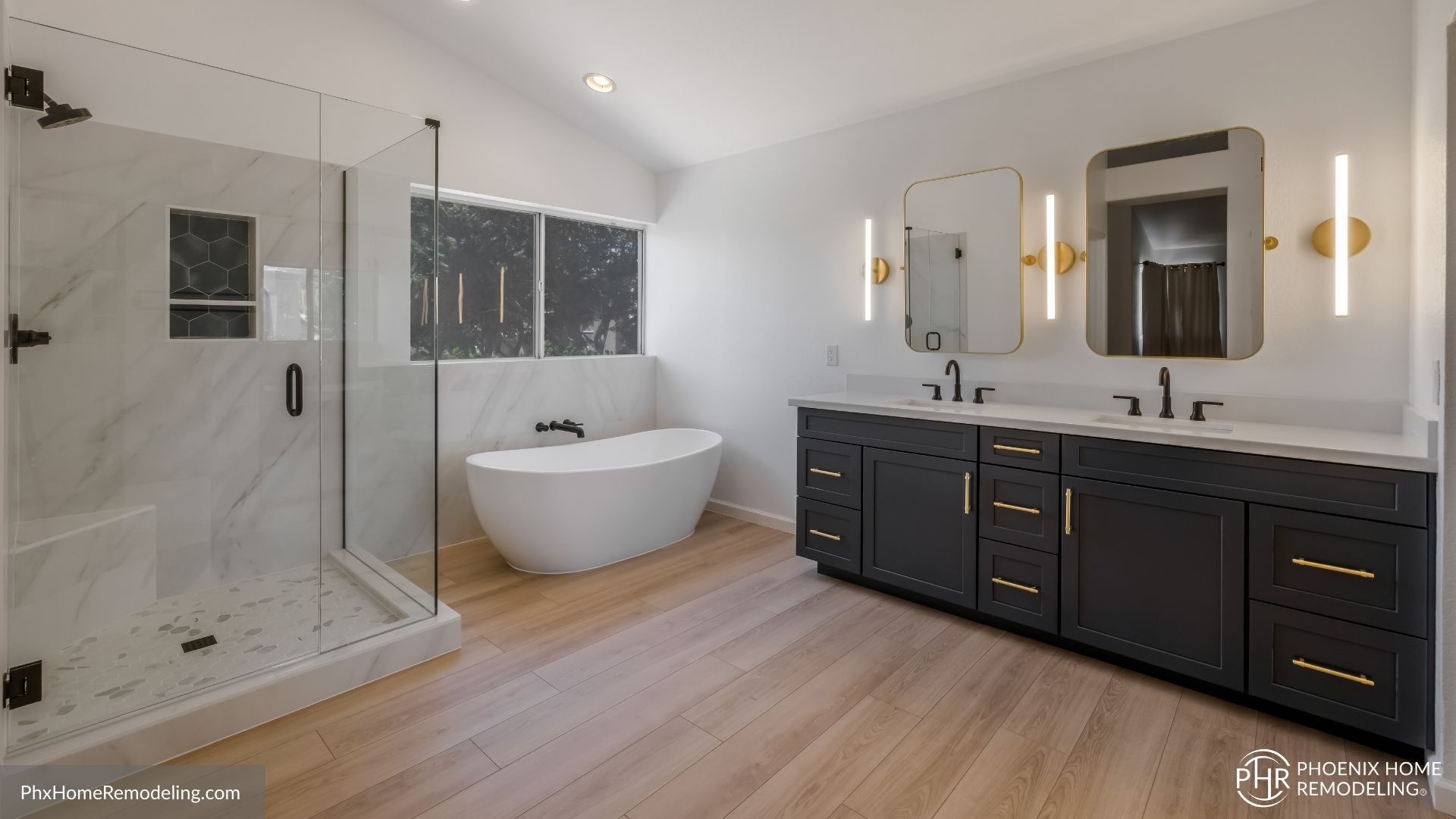
In real life, the most persistent risk is the mismatch between how you live and how a space is configured after the dust settles. You might love the look of a freestanding tub until you realize it makes daily use inconvenient. You might chase tile patterns because they look beautiful, only to find they complicate cleaning, increase maintenance, or fight with lighting. These misalignments often reveal themselves only after weeks of use, but you can surface them earlier by a few disciplined checks and by insisting on practical demos before finalizing choices.
The following sections translate those ideas into concrete practices. They are not magic bullets, but they have stood the test of time in real homes, in real neighborhoods, with real budgets and real timelines. If you read nothing else, keep one question in mind as you move through decisions: how will this actually feel and perform when day to day life returns to normal after the project is done?
An early, essential habit is to validate assumptions against the realities of existing infrastructure. Bathrooms sit on the edge of moisture, and even small mistakes here show up as dampness or cold floors months later. Start with a floor plan that shows you where pipes run, where the existing studs frame walls, and where the electrical lines have to be routed. If you are moving plumbing or adding new fixtures, you are not just choosing new looks; you are living with the consequences of those paths for years to come. A thoughtful plan will identify potential conflicts long before demolition begins. This means asking questions you might not normally consider, such as whether the existing venting is sufficient for a new layout, whether the chosen toilet height fits the sink and mirror line, and whether the locations for outlets will be practical for daily tasks like drying hands and plugging a hair dryer.
A second practical discipline is budgeting with a margin. The most common stress points in bathroom remodeling arise when costs escalate in the middle of the project. A simple, honest approach is to itemize the core components and then add an overall contingency that reflects your confidence in the plan. The contingency is not a hidden surcharge; it is a proactive buffer for unexpected events such as a stubborn substrate that needs extra patching, a half day of work because a contractor arrives late, or a delay in materials that ships from overseas. A typical contingency in a small bathroom might be 10 to 20 percent of the total project cost, but you should calibrate it to your local market and the complexity of the build. If you are under time pressure to finish before a family event or a seasonal deadline, you should add more cushion rather than hurry decisions that compromise long term results.
Time is the quiet predator here. Even with a precise schedule, bathrooms are notorious for minor interruptions turning into days lost. The kind of mistake that tends to compound is a mismatch between the installation sequence and the actual site condition. For instance, if the tile contractor plans to begin before the shower pan is cured or seated, you will pay the price in rework, water isolation, and potential mold growth. A reliable project plan includes clear sequencing: what happens first, who is responsible, and how you verify completion before moving to the next step. The more you can see ahead of time about dependencies, the less you will be surprised by a sudden delay near the end of the project.
Another anchor is realistic material choices. The bathroom is a high humidity environment. Materials that perform well in living spaces may fail here if they are not designed for moisture exposure, or if they require maintenance that you do not want to perform. A common pitfall is choosing a seemingly luxurious surface that looks stunning on glossy photos but feels fragile in a daily routine. Stone countertops can resist heat and water, but they demand careful sealing and occasional resealing. Engineered materials can offer consistent durability, yet some options may not handle temperature swings or heavy use well. The baseline rule: investigate performance in real world conditions, not just aesthetics. Ask for data on abrasion ratings, water absorption, and expected failure modes, especially in floors and shower surrounds.
The human element matters as much as the technical details. A remodel is a partnership between you and a team of professionals. The best outcomes come when there is clear, ongoing communication. The worst outcomes happen when information gets trapped in a couple of conversations and then fails to flow to the entire team. Establish a single point of truth for decisions, and require written confirmations for changes that impact cost or schedule. This is not about bureaucracy for its own sake; it is about preventing misinterpretations that translate into unhappy surprises.
Two pathways shape most bathroom remodeling journeys: the do it yourself route and the contractor route. The do it yourself path is full of learning opportunities. It can save money, but it demands time, discipline, and the willingness to risk costly errors when you lack the experience. The contractor route offers efficiency and accountability, but it requires careful vetting. The best projects often blend both approaches: you handle the finishes and some of the more straightforward tasks, while a licensed professional manages critical systems and structural changes. The important thing is to align your choice with your skill set, your schedule, and the quality you require.
As you navigate the design phase, a practical mindset matters more than a perfect vision. It is easy to fixate on an ideal color or a cutting edge fixture, but a successful bathroom remodel will tolerate a few compromises if the core needs are met. For many households, the priority list looks like this: maintain a dry, functional shower stall; ensure reliable, quiet ventilation; secure proper drainage and anti slip surfaces; keep plumbing accessible for future maintenance; and deliver a space that stays comfortable year round. Balancing these elements means recognizing where you can push on one axis without losing ground on another.
To make the process tangible, consider adopting a few field tested routines. First, do a physical walk through with the team before any material is ordered. Point to every fixture, every channel for moisture, and every potential trap for misalignment. Each member should verbalize their plan for their part of the work, and you should confirm a shared understanding of how the space will function when finished. Second, insist on a dry run of critical tasks. For example, have the plumber demonstrate how the tubing and connections will be arranged behind the wall, and require the electrician to run through the planned placement of outlets and lighting in a way that matches the final tile layout. Third, test small samples against real conditions. Expose a sample of grout to moisture and heat to observe how it behaves over a few days. This is not a guess test; it is a controlled check on potential trouble spots. Fourth, require a final walkthrough with all parties involved. A dedicated hour of review after rough in and final finishes can catch misaligned elements and ensure that the room works as a daily space rather than a showroom item. Fifth, document every decision with dates and signatures. The record keeps everyone honest and reduces back and forth that eats up time and money.
When it comes to avoiding mistakes early, the two most powerful levers are clarity and pace. Clarity means you know exactly what you want and why you want it, and you have a plan that translates into a sequence of concrete tasks for the professionals you hire. Pace means you resist the urge to push for speed at the expense of quality. A fast project that requires rework is not a victory; it is a precursor to frustration and budget Phoenix Home Remodeling overruns. By prioritizing clarity and patience, you gain leverage to challenge assumptions, compare options, and negotiate fairly. The result is a bathroom remodeling effort that feels controlled rather than chaotic.
Now, to help you apply these ideas in a practical, digestible way, I offer a compact checklist that captures the most relevant early signals and the big decisions that determine the project’s fate. These items are drawn from real world experiences and are designed to be used as a living document you revisit at milestones.
Checklist for early detection and avoidance
- Confirm the layout optimizes daily use and accessibility. If a proposed change makes daily tasks awkward, revisit the plan before you lock in fixtures and wall positions. Validate plumbing and electrical plans with permits and codes in mind. Do not assume an amendable layout will slip by inspection. If plans require a change after demolition begins, you risk costly delays and safety concerns. Build a price range with a hard cap for each major component. If any line item threatens to exceed its cap, negotiate a scope adjustment rather than greedily squeezing across the finish line. Insist on a comprehensive materials schedule and warranty summary before signing. Ambiguity here invites surprises after completion, especially with moisture susceptible finishes. Schedule a staged walkthrough with the contractor team at critical milestones. Stage one planning, stage two rough in, stage three finish work, stage four final touches. Use those moments to catch misalignments before they become fixed truths.
If you want a sharper sense of what to watch for as you move toward construction, here are five red flags that frequently precede trouble in bathroom remodeling. They are not final verdicts, but they are strong indicators that a deeper look is warranted.
Red flags to watch
- The design depends on custom or unproven materials in high humidity areas. Custom parts can be wonderful, but if they require frequent maintenance or special cleaning, you may regret the choice when the room is in daily use. The plan insists on substantial structural changes without a clear, independent reason. If you are moving walls only to achieve a trend, pause and test whether the space would feel better without the change or with a simpler adjustment. A schedule that assumes perfect conditions and zero interruptions. Real life is full of surprises, and a plan that cannot absorb a few delays is a plan built on illusion. Costs are justified with glossy photos, not with real world performance data. If you cannot quantify durability, warranty coverage, and maintenance expectations, you are buying looks rather than long term value. There is no single person responsible for decisions and changes. A bathroom remodel is a collaborative effort; without a clear owner of decisions, the project fragments into miscommunications and rework.
These signals require dialogue, not panic. They invite a conversation with your designer, contractor, and suppliers about how to revise the plan without losing momentum. The healthy response is to pause, reframe the priorities, and reissue a revised schedule with updated cost estimates. In many cases, the corrections simply reflect a better understanding of the bathroom environment and your daily needs.
To translate this into a concrete practice you can apply on your own project, consider the following routine for the first month of planning. It is not a rigid procedure; it is a set of anchors that help you measure progress against the essential criteria of comfort, durability, and cost containment.
First, map the actual water and waste lines. In most homes the most expensive mistakes involve misjudging how pipes run through studs and joists. A practical approach is to work with a plumber who uses a camera inspection tool to confirm the exact routing. This step reduces the risk of discovering a conflict after the walls are opened and exposed. It also makes it easier to design around practical constraints rather than bending the plan to fit a preconceived notion.
Second, assess ventilation with a functional test in mind. A bathroom without adequate airflow will breed moisture, which can ruin finishes and invite mold. If the current exhaust system seems underpowered for the planned space, either upgrade the fan or adjust the layout to improve air exchange. The difference home remodeling Phoenix AZ is not cosmetic; it affects the room’s health and the longevity of your materials.
Third, test lighting as you would use it. Bathrooms demand both task lighting and ambient light, ideally with layered controls that allow you to brighten for shaving or makeup while retaining a softer glow for baths. The kitchen or living room rule of three lighting zones can be adapted, but the key is to confirm you have control and the right color temperature for skin tones and tiles.
Fourth, run a moisture interaction check on surfaces. If you are considering stone, tile, or resin panels, investigate how they respond to heat and humidity over time. In some cases, a quick, real world test on a sample board placed in a shower corner for two weeks reveals unexpected vulnerabilities that a showroom cannot show you.
Fifth, build in the maintenance plan as you go. Some finishes look incredible when new but require ongoing sealing, recoating, or gentle cleaning regimes. If you are uninterested in that kind of upkeep, you might be better off choosing options that require less maintenance even if they are less dramatic in appearance.
The core argument here is simple. Start with a practical understanding of how the bathroom will be used and how water and heat will interact with every material you select. Then, design toward those realities, bearing in mind that the best result is a space that works as well in 10 years as it does on day one. The aesthetic you love should not demand constant care or delicate handling. Durability is not a compromise; it is a choice about the day to day experience of the room.
In practice, this means you sometimes pass up a feature you want in favor of one that endures. It means you place a higher trust in proven materials rather than bold experiments. It means you recognize that some luxuries can be religiously clever yet practically fragile, and you weigh that against the optional value they add to your daily routine. The question you should almost always ask yourself is this: will this choice reduce friction in daily use or will it multiply it?
If you are currently planning or evaluating bids, the most valuable move you can make is to separate value from price. That means asking for a transparent, itemized breakdown that includes labor, materials, waste disposal, and contingency. It means ensuring you understand what is included in the warranty, what the warranty covers, and for how long. It also means verifying that the plan aligns with your own long term needs, such as accessibility features for aging in place or a layout that accommodates future physical changes.
The last lesson to carry forward is the discipline of living with your plan as it evolves. A bathroom remodeling project is rarely static. Water leaks can reveal themselves after a wall is opened; a tile pattern might require a minor adjustment to align with door swings. The better you are at absorbing those realities without abandoning your vision, the more likely you are to end with a space you love and a project you do not dread.
In the end, the goal is not to avoid every risk but to manage it with clarity, patience and practical judgment. The room you end up with should feel efficient, calm, and purpose built for the people who use it every day. It should also hold up to the demands of real life. That means the kind of design where surfaces resist stains and wear, where humidity is managed without drama, and where lighting makes the room feel welcoming rather than clinical. It means a space that makes morning routines easier and evening routines more comfortable. It means a bathroom remodeling plan that stands up to time.
If you take away one truth from this discussion, let it be this: early detection is not about micromanaging a project. It is about anchoring decisions to the realities of how you live, how water behaves, and how materials perform under daily use. When you approach bathroom remodeling with that mindset, you unlock a steadier pace, a more honest budget, and a finished room that remains satisfying long after the contract is signed. The best remodels come from careful listening to the space, careful testing of choices, and the stubborn insistence that the space you end up with is the space you actually wanted from the start.