The bathroom is where comfort meets craft. In a luxury remodel, saving water becomes less about deprivation and more about precision—about timely, high-performance choices that reduce consumption without compromising the ritual of the daily routine. When you design with water efficiency in mind, you’re choosing fixtures that perform better, last longer, and pair beautifully with materials and lighting that speak to a refined sense of taste. This article walks through practical decisions, real-world considerations, and the kind of trade-offs that show up when you insist on both luxury and stewardship.
Let’s begin with a truth that seasoned designers and homeowners learn early: high efficiency does not have to feel clinical. Modern fixtures deliver strong water pressure, consistent temperature, and quiet operation, all while using less. The goal is to create a bathroom that feels indulgent, where every drop counts and every gesture is deliberate. The right fixtures become a quiet luxury, a promise that beauty and responsibility can coexist.
The heart of saving water in a remodel lies in understanding how each fixture uses water, how you interact with it, and how the rest of the bathroom can support efficiency without fighting against it. It also means recognizing the difference between peak performance and peak waste. A well-chosen showerhead, a thoughtfully set faucet, and a properly calibrated toilet can reduce overall consumption by substantial margins while increasing user satisfaction. The practical impact is clear: lower utility bills, better resource stewardship, and a bathroom that feels designed, not patched.
A design conversation begins with your daily rituals. How you bathe, shave, brush, and flush matters. For some households, the path to luxury is paved with precise control and customization. For others, it is about embracing technology that anticipates needs. In either case, the objective remains the same: maximize comfort and minimize waste. The journey is as much about the experience of the space as about the numbers on a bill.
Reflecting on real-world remodeling experiences helps illuminate what works, what challenges arise, affordable Phoenix home remodeling and how to navigate them without sacrificing the feel of high-end design. The following sections blend practical guidance with the tactile details that reveal themselves only after you live with a finished space for a season. You will see how to select fixtures, measure performance, and balance aesthetics with efficiency. You will also encounter the trade-offs that come with certain choices, as well as the edge cases that require a tailored approach.
The first step in any luxury bathroom remodel aimed at water savings is to establish a baseline. If you are replacing fixtures in a bathroom you already inhabit, you already know where the leaks are, where the pressure becomes unreliable, and where you never quite get the temperature you expect. If you are starting from scratch, you have the opportunity to design the plumbing around modern efficiency standards rather than retrofit. Either way, set a clear target. Do you want to reduce overall water use by a certain percentage? Is your priority comfort, or is your priority conservation? Some households aim for a 20 to 30 percent reduction, while others push toward even more aggressive goals here, the specifics depend on your water rates, climate, and how many people use the space daily.
In practice, luxury water savings emerge through a combination of fixture selection, system integration, and careful installation. The smallest details make a difference: aerator size, cartridge precision, and the way a valve responds to a turn of the handle. A common misstep is treating water-saving fixtures as a lower-grade experience, which leads to disappointment and rework. When designed with intention, water-saving fixtures can feel robust, generous, and quietly indulgent.
The story of a bathroom remodel does not stop with the fixture. It expands to the surrounding materials, the enclosure design, and even the way the room is lit. A shower massaging the body with a tight spray can feel different depending on the sound of water against tile and glass. A toilet that saves water but guzzles power or produces a jittery flush does not belong in a space meant to feel timeless. The optimization is holistic. It is about creating a balance where each component supports the others, and where the entire room operates as a coherent system.
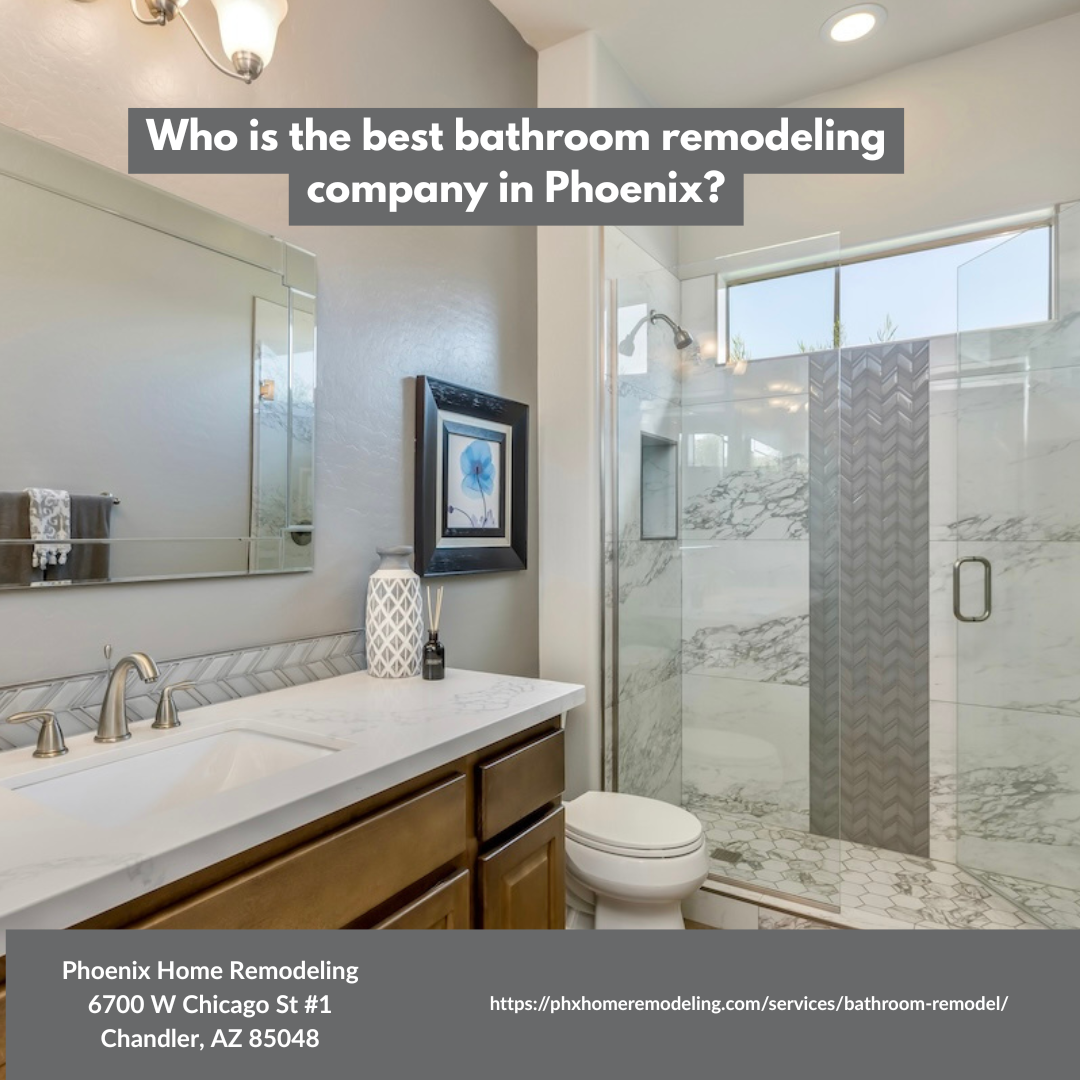
If you are pursuing luxury and sustainability, start with a careful assessment of your water profile. In many parts of the country, municipal rates come with tiered pricing. The more you use above a certain threshold, the higher the per-gallon cost. If your remodel is in an area with hot summers, outdoor water use may skew the numbers. Yet the bathroom remains a major consumer in most homes. A well-executed program reduces waste without making daily rituals feel diminished. The goal is to align performance with pleasure.
Shower design is often the most consequential arena for water savings in a bathroom remodel. The shower is where a front-end decision can deliver most of the impact: the showerhead and the body spray configuration, the flow rate, and the spray pattern. A high-quality showerhead at 1.75 gallons per minute or less can deliver a satisfying experience if paired with a well-designed enclosure that preserves heat and pressure. In a luxury setting, there is room to explore rainfall or rain-spray mixers that feel indulgent while still meeting efficiency targets. The secret lies in achieving a balance between the perceived abundance of water and the actual flow.
The toilet is another major waypoint. Modern dual-flush or pressure-assisted models deliver dependable performance with dramatically lower water use. In many remodels, the choice comes down to user behavior and maintenance. A dual-flush model may offer a 0.8 gallon flush for liquid waste and a 1.28 gallon flush for solids, depending on the model. For households with a lighter footprint or smaller footprints, this granularity translates into year-round savings, especially when you pair it with a well-calibrated cistern and tank geometry that promotes efficient refilling. In practice, this is one of those areas where the design language matters almost as much as the numbers: a toilet that looks and feels substantial can be a pleasure to use even when its performance is quietly economical.
Fixtures with built-in sensors and smart features often play well in a luxury space. A faucet that detects hand presence and reduces flow when not in use, a shower valve that adapts to temperature and pressure, or a toilet with a self-cleaning mechanism can contribute to savings without compromising user experience. The key is to ensure these features are intuitive rather than gimmicky. The moment you introduce complexity without a clear payoff, you undermine the overall experience.
Designers talk about the emotional effect of water: the way it sounds, the way it feels on the skin, the sense of luxury that comes from predictable performance. These qualitative aspects often drive decisions as much as the quantitative ones. In an upscale bathroom, you want fixtures that feel substantial, that respond instantly to your touch, and that age gracefully. But you also want them to be efficient, quiet, and easy to maintain. The best outcomes arise when you find that sweet spot where luxury and conservation reinforce each other.
A practical approach to achieving this balance is to think in terms of zones and use cases rather than a single, monolithic plan. You might segment the bathroom into the primary wash zone, the bathing zone, the powder area, and the water closet. In each zone, you select fixtures that align with specific needs, not because they are trendy, but because they make daily routines smoother and more conscious of resources. This zoning helps you allocate budget where it matters most, and it reduces the risk of over-seeking efficiency at the expense of everyday joy.
The conversation about water-saving fixtures also involves a frankly practical reckoning with maintenance. Efficient fixtures often require more precise calibration and more routine attention, particularly in the first months after installation. A cartridge that wears in under a year can undermine performance and user trust. The solution is not to abandon efficiency for reliability, but to invest in fixtures with proven service networks, availability of spare parts, and robust warranty coverage. The most luxurious spaces are the ones that remain reliable for decades, not those that demand constant tinkering.
In the end, luxury is about confidence. A well-executed bathroom remodel that emphasizes water savings produces a space that feels generous, but with a quiet discipline behind it. You do not notice the water savings with every use, you feel it in the consistency of temperature, the steadiness of pressure, and the clean composition of light and material. The room becomes a sanctuary that respects resources and elevates daily rituals to something with a longer arc.
Now, to make this tangible, here are some concrete considerations that often guide decisions in high-end projects. They are framed to help you picture what you are buying, what it costs, and what it returns in terms of performance and satisfaction.
A careful plan begins with the shower. Start by selecting a fixed shower head and a handheld if space allows. A three-function valve set can give you rain spray for immersion, a standard spray for daily use, and a gentle mist for sensitive mornings. Pair this with a rough-in valve that standardizes pressure and temperature and with a tub spout if you have a soak area. The result is a flexible, luxury experience that remains merciful to your water bill.
The vanity area benefits from intelligent faucet choices. A single-handle faucet with a low-flow aerator saves water without requiring a leap of faith or retraining after years of habit. If you have a dual-mount basin or a large vanity, consider separate hot and cold handles that remain intuitive to guests but still deliver precise temperature control. The material and finish should be durable and easy to clean, because the luxury experience is not just about water use but about a bathroom that looks pristine after heavy daily use.
Toilets that combine comfort with efficiency are a long-term investment in a bathroom’s performance. A WC with a dual-flush valve that feels robust but uses a minimal amount of water can be a showpiece in a luxury remodel. If you are remodeling a high-traffic family bathroom, a wall-hung toilet can simplify cleaning and create a sense of light within the space, which is a meaningful luxury in small or mid-sized bathrooms. The decision to install a low-profile or a tall model depends on user needs and how the space will be used by guests of various ages.
Take lighting into account. A bathroom can feel more or less efficient depending on how it is lit. Warm, soft lighting around mirrors and task lighting near showers can make a compact space feel open and generous. The relationship between light and water is intimate: reflections on tile, the glow of a glass shower enclosure, and the way the water itself seems to shimmer can be enhanced through thoughtful lighting design. In a well-lit bathroom, the perception of water usage can shift. People tend to perceive more water when the space feels dim, even if the actual consumption is similar.
The fixtures in a luxury bathroom do not live in isolation. The overall plumbing design matters. A well-planned supply line with appropriately sized tubing and well-placed shutoff valves reduces pressure fluctuations and makes maintenance easier. If you are upgrading to more efficient fixtures, you should assess the entire system to prevent bottlenecks. An oversized valve or a mismatched pipe size can dampen performance and frustrate daily use. The goal is a coherent system that feels effortless.
Choice of materials is equally important. Durable, easy-to-clean surfaces help maintain a sense of luxury without demanding excessive care. Porcelain and stone can hold their own in a space where water is a constant presence, but the way these surfaces interact with moisture will determine how often you need to refresh or reseal. Think about how the surface finishes will handle any Phoenix Home Remodeling contact with hard water or minerals in your area, and plan accordingly. The right combination of fixtures and surfaces should feel integrated, not disparate. Luxury lives in the details and in the way a space feels when you walk into it after a long day.
Finally, patience pays. The most satisfying remodeling journeys occur when you allow room for testing and adjustment. A new shower valve may require a week of use to dial in the preferred temperature and spray balance. A toilet may need a short run of routine maintenance to ensure a consistent flush and fill cycle. The luxury is not in rushing to finish, but in refining the experience so that every use feels perfect. While the project itself is a large investment, the benefits come daily, in comfort, in quiet, and in the confidence that you have made a responsible, elegant choice.
Five fixtures that exemplify the luxury water-saving mindset
- Five items to consider
The second list offers practical steps for integrating water-saving strategies into a remodel without losing the sense of luxury.
- Five steps to optimize water use in a bathroom remodel
This article has walked through the philosophy and practicalities of integrating water-saving fixtures into a bathroom remodel with a luxury mindset. The essential point is that efficiency is not a constraint but a design language. When you design around water use with intention, you do not curb pleasure; you amplify it through reliability, quality, and a sense of responsible indulgence. A bathroom that uses water wisely becomes a space that lasts, a space that feels timeless, and a space that you will be glad to share with guests as a quiet testament to good taste and good sense.